
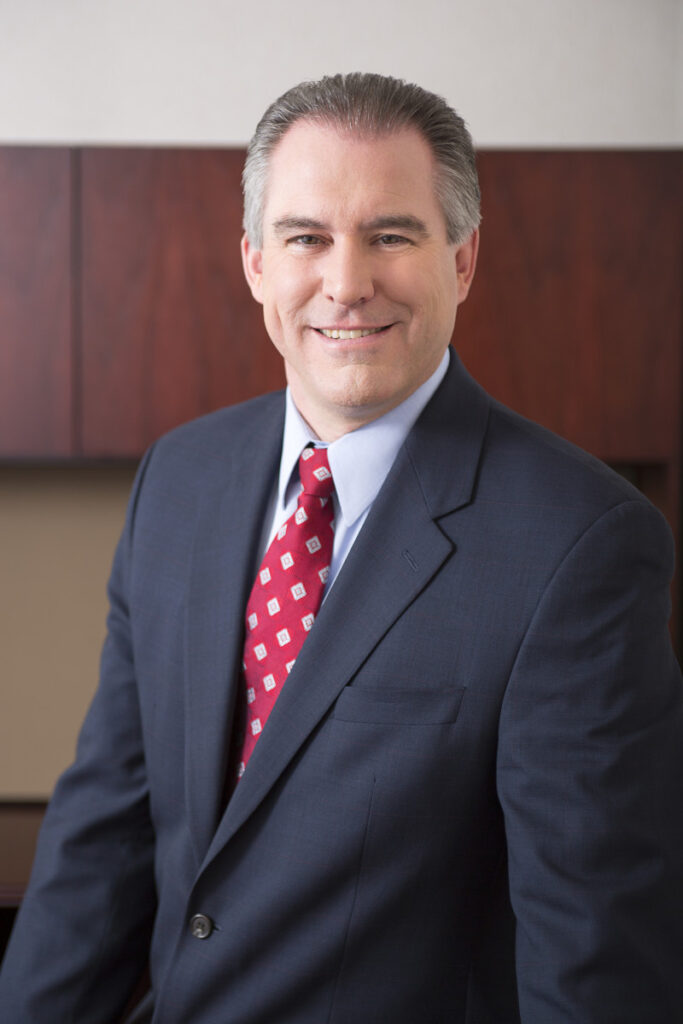
By Michael E. McRae, President & CEO, St. Ann’s Community
Originally featured in Rochester Business Journal.
New York’s nursing homes care for some of the most medically complex and vulnerable individuals in our communities. Every day, dedicated nurses and caregivers show up with professionalism and compassion; but the reality is clear: the system is under extraordinary strain.
Staffing shortages have pushed facilities to their limits. Nurses are stretched thin. Residents sometimes wait not for specialized procedures, but for the routine medications they rely on every day to manage pain, blood pressure, diabetes, and other chronic conditions.
In today’s environment, quality is what differentiates nursing homes. And this is what matters most to families. When a family entrusts us with the care of someone they love, they expect consistency, attentiveness, and safety. We share that expectation. Our responsibility is to ensure our care delivery models reflect workforce realities while protecting the high standards our residents deserve.
Monroe County Context
• Monroe County’s population is approximately 748,000, with nearly one in four residents age 60 or older. That 60+ population is projected to grow significantly over the next decade.
• The county is home to roughly three dozen nursing home communities serving older adults and individuals with complex medical needs.
• Hundreds of licensed skilled nursing beds in the region remain unavailable due to workforce shortages, limiting access to care.
• Local leaders have invested millions of dollars in workforce recruitment and retention efforts to stabilize long-term care staffing.
There is a practical and responsible solution before us: allow trained medication technicians to administer routine medications in nursing homes under appropriate supervision.
Medication technicians — commonly known as med techs — are trained personnel who distribute non-invasive, routine medications. In assisted living settings and in many other states, they already perform this role safely and effectively. Yet in New York nursing homes, regulations require licensed nurses to handle nearly all medication administration, even when the task is standardized and routine.
The result is predictable. Highly trained nurses spend significant portions of their shifts passing routine medications instead of focusing on wound care, clinical assessments, care planning, and responding to changes in condition. At a time when the nursing workforce remains constrained, this approach is neither efficient nor sustainable.
Authorizing medication technicians would not replace nurses. It would support them.
With standardized training, competency testing, and ongoing supervision by licensed nurses, medication technicians can safely administer oral medications, topical treatments, and other routine prescriptions. This allows nurses to practice at the top of their license — concentrating on the complex clinical responsibilities that require their education and judgment.
Other states have demonstrated that clearly defined scopes of practice, structured oversight, and rigorous training standards maintain patient safety while improving workflow and responsiveness. This is not a departure from quality; it is an evolution in how we preserve it.
Most importantly, residents stand to benefit.
When nurses are overextended, medication rounds can take hours. Delays disrupt daily routines, complicate pain management, and create understandable frustration for residents and families. Expanding the care team ensures medications are delivered more consistently and allows nurses more time at the bedside — listening, assessing, and addressing complex needs.
Healthcare has long relied on thoughtfully designed team-based models. Certified nursing assistants, dialysis technicians, and surgical technologists all serve defined roles within supervised systems of care. Medication technicians are a logical extension of that framework.
Nursing homes today care for residents with increasingly complex medical conditions. At the same time, the pipeline of licensed nurses has not kept pace with demand. Without thoughtful regulatory modernization, the gap will widen — and access to timely, high-quality care will suffer.
Governor Kathy Hochul’s Executive Budget proposes authorizing medication technicians in nursing homes. With appropriate safeguards in place, New York can modernize its long-term care framework while maintaining strong protections for residents.
Our seniors deserve a system that adapts responsibly to workforce realities without compromising safety or dignity. Updating outdated regulations is not about lowering standards. It is about preserving quality,
Michael E. McRae is President and CEO of St. Ann’s Community in Rochester, New York. strengthening care teams, and ensuring that families can continue to trust us to care for the most important people on earth: their loved ones.
Healthcare has long relied on thoughtfully designed team-based models. Certified nursing assistants, dialysis technicians, and surgical technologists all serve defined roles within supervised systems of care. Medication technicians are a logical extension of that framework.
Nursing homes today care for residents with increasingly complex medical conditions. At the same time, the pipeline of licensed nurses has not kept pace with demand. Without thoughtful regulatory modernization, the gap will widen — and access to timely, high-quality care will suffer.
Governor Kathy Hochul’s Executive Budget proposes authorizing medication technicians in nursing homes. With appropriate safeguards in place, New York can modernize its long-term care framework while maintaining strong protections for residents.
Our seniors deserve a system that adapts responsibly to workforce realities without compromising safety or dignity. Updating outdated regulations is not about lowering standards. It is about preserving quality,
Michael E. McRae is President and CEO of St. Ann’s Community in Rochester, New York. strengthening care teams, and ensuring that families can continue to trust us to care for the most important people on earth: their loved ones.